Miscellaneous Metals on a Commercial Tenant Build-Out: What GCs Need to Account For Early
A.G. Welding • April 6, 2026

What Counts as Miscellaneous Metals on a Commercial Project

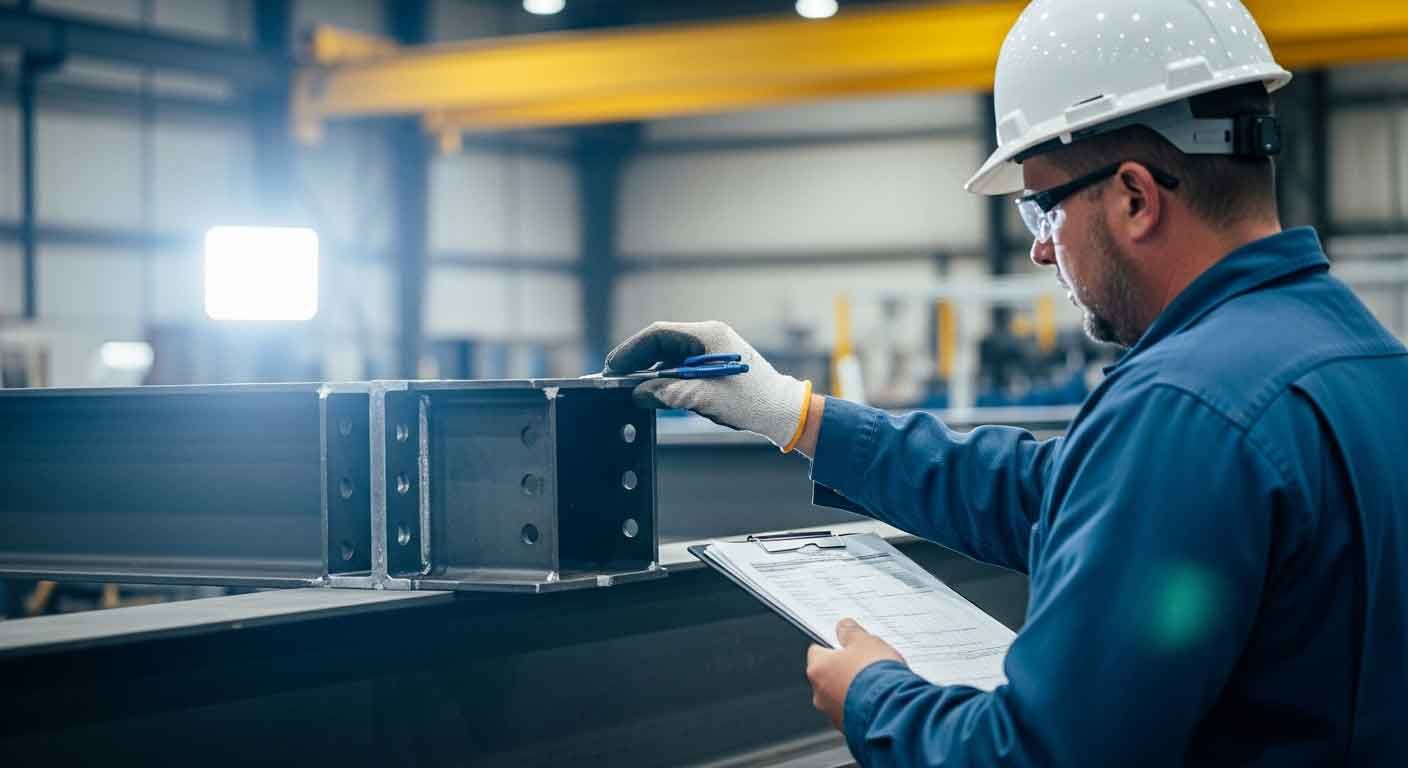
Structural steel and miscellaneous metals are related but they are not the same scope. Structural steel is the load-bearing skeleton of the building: columns, beams, joists, deck, and bracing. Miscellaneous metals is everything else fabricated or installed in metal that is not part of that structure. On a tenant build-out or commercial renovation, that second category covers more ground than many GCs account for when they are putting together early budgets.


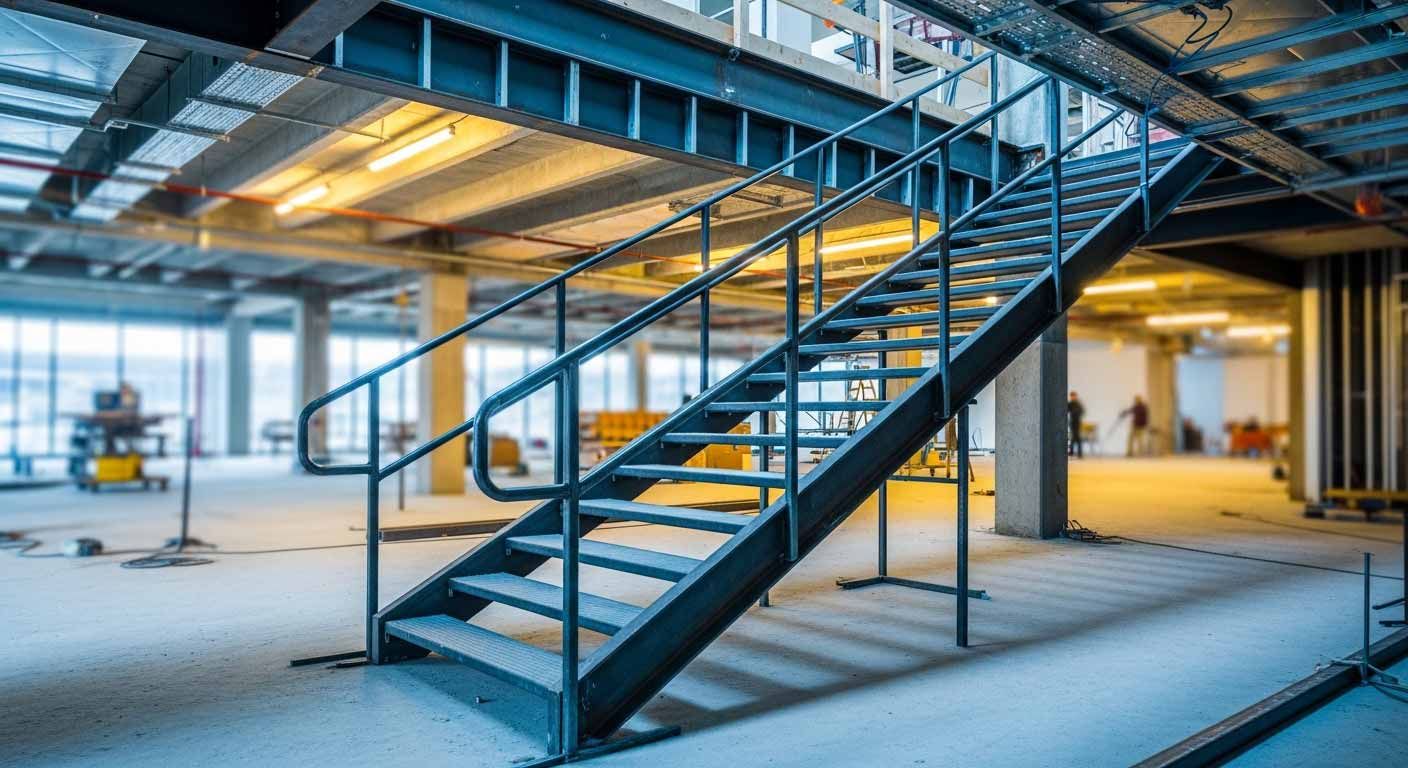
Our Miscellaneous Metal Work scope includes stairs, handrails, guardrails, lintels, bollards, canopy supports, dumpster enclosure frames, and counter supports. Some of these items are code-required. Some are finish elements. Most are both. What they share is that they tend to show up late in the subcontractor solicitation process, even on jobs where they should have been identified from the start.


Common Miscellaneous Metals Scope on Tenant Build-Outs and Renovations

The exact mix varies by project, but there are items we see on many Houston commercial tenant build-outs and renovations:

  • Interior stairs for two-level retail or office spaces (straight, L-shaped, curved, or spiral)
  • Code-required guardrails at mezzanines, elevated platforms, and level changes
  • Handrails on stairs and accessible ramps
  • Bollards at storefronts, drive-throughs, and exterior entries
  • Lintels over door and window openings in masonry construction
  • Dumpster enclosure gates and frames
  • Canopy structural supports
  • Counter supports for restaurant and retail build-outs


That list spans the life of a project. Lintels go in during rough construction. Stairs typically follow structural steel. Guardrails tie to flooring and finish phases. When the miscellaneous metals scope is not awarded early enough, different pieces of it start creating scheduling pressure at different points in the job.


Why Miscellaneous Metals Gets Scoped Too Late

We see this pattern on tenant build-outs more than any other project type. Structural steel goes out early because the GC knows it is a primary scope item. Miscellaneous metals gets pushed to the second or third round of sub solicitations, sometimes after drawings have been revised and items have shifted.


Part of the reason is that miscellaneous metals is harder to define in an early drawing set. The architecture may show a stair location without fully resolved structural details. Code requirements for guardrail geometry may still be open. Mechanical drawings may not yet show where RTU supports or canopy penetrations land. Those open questions feed the miscellaneous metals scope, and when they are not answered, the tendency is to wait.


Waiting costs more than it looks like upfront. A straightforward commercial stair typically goes through shop drawing approval, material procurement, and shop production before it arrives on site. If the scope award is delayed until the project is already moving, the fabricator ends up on the critical path. When structural steel is already erected and other trades are trying to sequence in behind, that is not where a GC wants a scheduling problem.


Coordinating Miscellaneous Metals with Structural Steel and Other Trades

Coordination between structural and miscellaneous scope matters most at two points in the project.

The first is at shop drawings. If structural steel and miscellaneous metals are with separate contractors, both drawing sets need to be reviewed against each other. Anchor bolt locations, embed plates, and connection points shown on the structural drawings may not match what the miscellaneous metals fabricator assumed. Finding those conflicts after steel is erected is expensive. Finding them on paper is not.


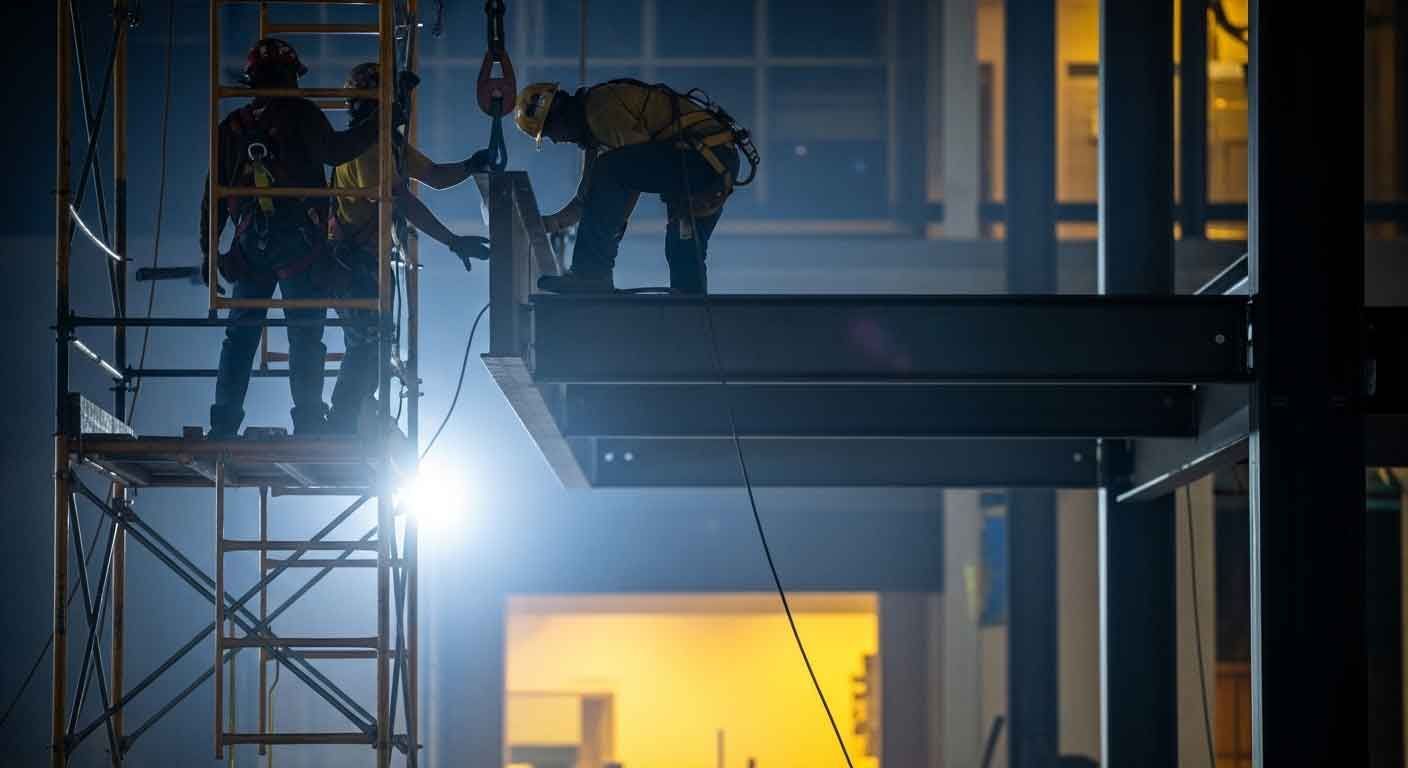
The second point is on-site sequencing. Our [/structural-steel Structural Steel Services] team coordinates this regularly on jobs where we carry both structural and miscellaneous scope. Structural steel has to be in place before certain miscellaneous metals can be installed. Miscellaneous metals have to be complete before flooring, drywall, and finishes can close in those areas. When both scopes are with separate contractors, that sequencing falls on the GC or superintendent to manage across two separate communication channels rather than one.


Keeping One Contractor Across Structural and Miscellaneous Scope

We handle both structural steel and miscellaneous metals on many of our tenant build-outs and renovations in the Houston area. That is not always the right fit for every project, but when it works, the practical benefits are clear.


One shop drawing package, reviewed once. One schedule to coordinate against. One contractor accountable for both scopes arriving on time. When a question comes up about whether an embed plate is positioned correctly for a stair stringer connection, the answer gets resolved internally rather than through a three-way conversation between separate subs and a GC trying to arbitrate.


If you are scoping a commercial tenant build-out and want to see what a combined structural and miscellaneous metals proposal looks like, we are glad to put that together. Request a Scope Review and one of our estimators will follow up.


Frequently Asked Questions


What is the difference between structural steel and miscellaneous metals on a commercial build-out? Structural steel refers to the load-bearing members of the building: columns, beams, joists, deck, and bracing. Miscellaneous metals covers fabricated and installed metal components that are not part of the structural system. On a tenant build-out, miscellaneous metals typically includes stairs, handrails, guardrails, bollards, lintels, and canopy supports.


When should miscellaneous metals be scoped on a tenant build-out? Ideally, miscellaneous metals should be scoped and awarded at the same time as structural steel, or shortly after the early drawing set is available. Because the scope spans multiple project phases, delaying the award can create scheduling pressure at several points in the job, particularly for stair fabrication, which requires shop drawing approval and production lead time before anything arrives on site.


Can one contractor handle both structural steel and miscellaneous metals on a tenant build-out? Many fabricators do handle both scopes. When one contractor carries structural steel and miscellaneous metals together, shop drawing coordination is simplified, on-site sequencing is managed internally, and the GC has a single point of accountability for both scopes.
Commercial slide gate with automated operator at Houston business entrance
By A.G. Welding May 11, 2026
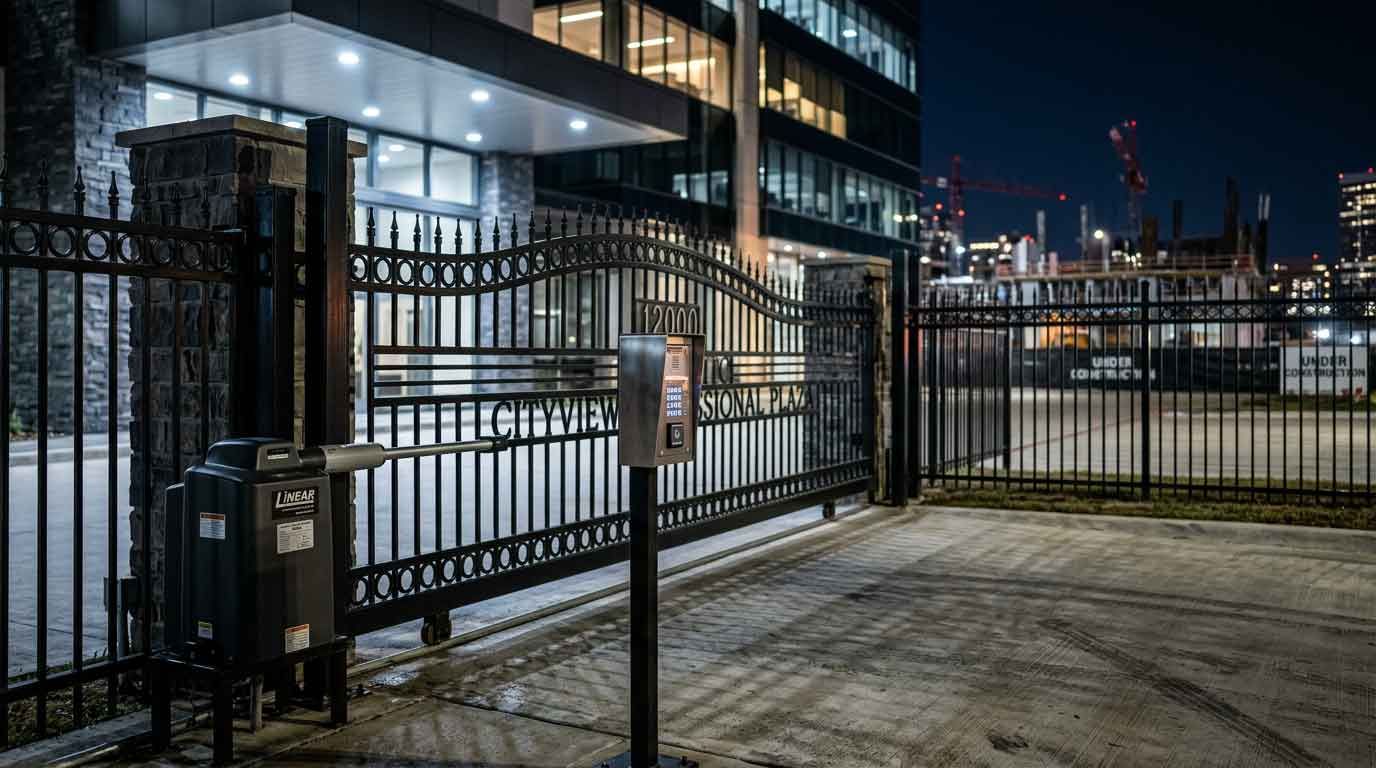
Electric or solar? Slide gate or swing? What property owners need to know about automated gate systems for commercial properties in Houston.
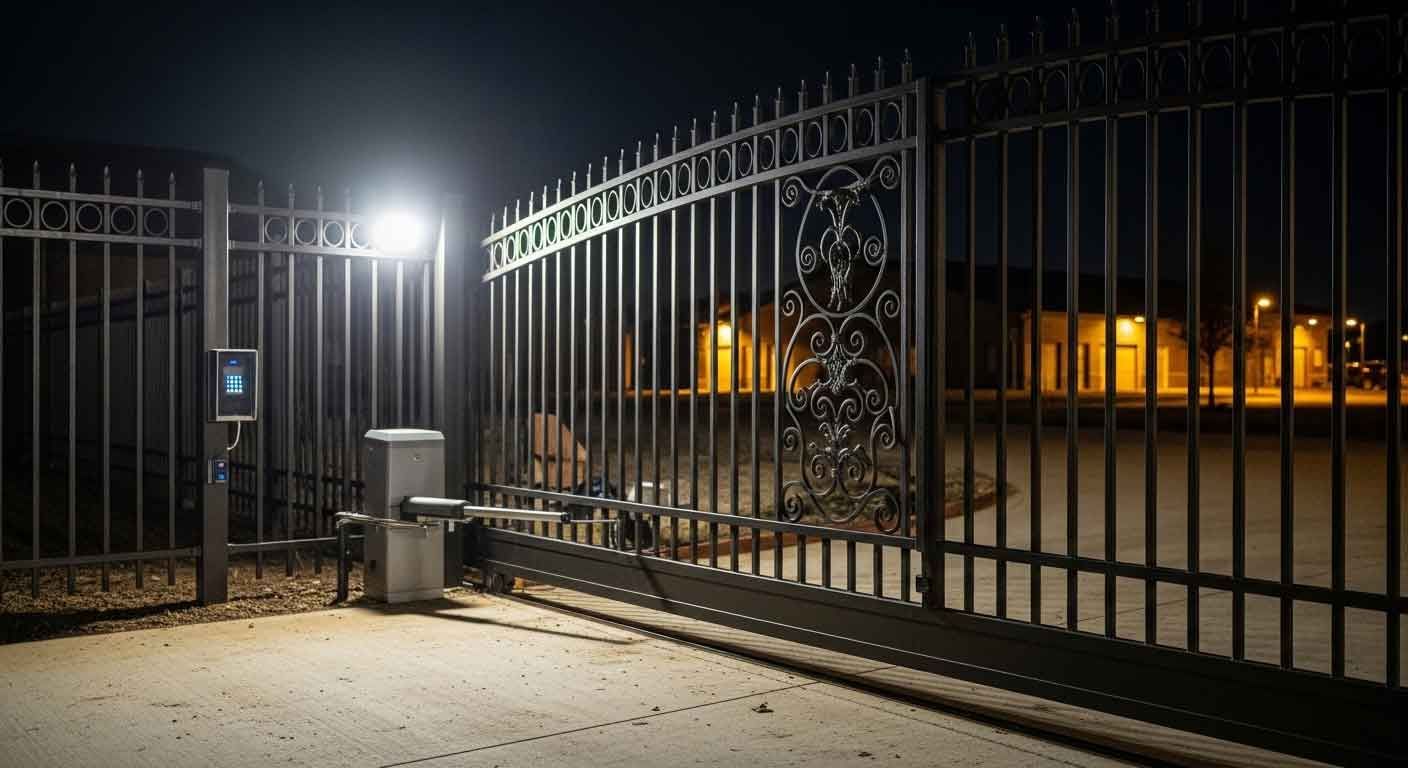
Custom iron gate with automated operator at Houston commercial property entrance
By A.G. Welding May 4, 2026
Iron, aluminum, chain link, or vinyl: how to choose commercial fencing in Houston. Durability, maintenance, gate integration, and turnkey installation compared.
Welder repairing a structural steel component on a commercial property in Houston
By A.G. Welding April 27, 2026
On-site welding repair is not always the right call. Here is how GCs and property managers can determine when shop repair makes more sense for commercial work.
Steel fabricators erecting structural framing inside an active mall tenant space.
By A.G. Welding April 20, 2026
Occupied retail and mall tenant build-outs require different planning for your steel scope. What GCs in Houston need to know about access, noise, and sequencing.
Structural steel shop drawings spread on a construction site table with steel framing visible
By A.G. Welding April 13, 2026
Shop drawings control when structural steel fabrication starts on any commercial project. Here's how the approval cycle works and what GCs can do to keep it moving.
Structural steel framing being erected inside a commercial tenant build-out, ironworkers visible, co
By A.G. Welding March 30, 2026
A structural steel proposal should define scope, shop drawing responsibility, and material specs. Here's what to look for before you award the scope in Houston.
Steel stair fabrication underway at a Houston commercial tenant build-out project, showing stringer
By A.G. Welding March 19, 2026
What GCs need to know before bidding a commercial steel stair scope in Houston: IBC code requirements, what to provide for an accurate proposal, and scheduling coordination.
By A.G. Welding March 9, 2026
How the Certification Works The City of Houston maintains a registered list of fabricators authorized to produce structural, load-bearing components for buildings within city limits. The program is governed by the Houston Building Code under Section 1704.2.5, and the practical effect for general contractors is significant. When a fabricator is not on the city's approved list, the building code requires third-party special inspections during fabrication. That means an approved special inspection agency must be present in the shop while structural members are being fabricated, observing the work and producing inspection reports for the building official, the engineer of record, and the GC. Those inspections add cost and scheduling complexity to the project. When a fabricator holds the City of Houston certification, that special inspection requirement is waived. The certified fabricator's own quality control program, which has been audited and approved by the city, takes the place of third-party shop inspection. At the end of fabrication, the certified fabricator submits a certificate of compliance confirming the work was performed in accordance with the approved construction documents. For GCs managing structural steel scopes on Houston commercial projects, this distinction matters at the bid stage, not just during fabrication. What the Certification Actually Requires Getting on the city's approved fabricator list is not a formality. The fabricator must maintain a written Quality Control Manual that documents fabrication procedures and quality control processes in detail. An approved special inspection agency reviews the manual for completeness and adequacy, then audits the fabricator's actual shop practices against those documented procedures. The audit covers material handling, welding processes, dimensional control, and traceability. The fabricator's name or registration number must be permanently marked on each structural member that leaves the shop. Annual renewal requires a fresh audit, not just a paperwork renewal. If the fabricator's quality control slips between audits, the certification is at risk. There are two paths to approval. One is through a nationally recognized certification agency like AISC, whose own audit program satisfies the city's requirements. The other is through the third-party special inspection agency audit described above. Both paths lead to the same result on the city's registered fabricator list , and both require the same underlying commitment to documented quality control. Why This Matters When You Are Evaluating Steel Subcontractors GCs bidding commercial work in Houston encounter the fabricator certification question in a few ways. Sometimes the project specifications call for a City of Houston approved fabricator explicitly. Sometimes the engineer of record flags it during plan review. And sometimes it does not come up until the permitting phase, which is a problem if the GC has already awarded the steel scope to a non-certified shop. Knowing whether your steel subcontractor holds this certification before you award the contract avoids a scheduling disruption later. If the fabricator is not certified, you will need to budget for third-party special inspection during fabrication, and that inspector's schedule becomes a dependency in your overall project timeline. For out-of-town GCs working in Houston for the first time, this is one of the local requirements that can catch you off guard. Other Texas cities and other states may not have an equivalent program, so it does not always show up in a GC's standard subcontractor vetting process. Asking the question early is worth the two minutes it takes. What This Certification Does Not Tell You The city's certification confirms that a fabricator has a documented, audited quality control program. It confirms the shop has been inspected and that the fabricator's procedures meet code requirements. That is meaningful and it is verifiable. What it does not tell you is whether the fabricator is the right fit for your specific project. It does not speak to: Experience with your project type (tenant build-out, ground-up, renovation) Capacity to meet your schedule Proposal detail and scope clarity Communication practices during fabrication and erection Ability to coordinate with other trades on site The certification is a trust signal, not a complete evaluation. It tells you the fabricator takes quality control seriously enough to maintain the documentation, undergo the audits, and keep the certification current. That is a meaningful baseline. But vetting a steel subcontractor still requires the conversations about scope, timeline, and fit that separate a good working relationship from one that creates problems. How A.G. Welding Fits A.G. Welding has been on the City of Houston's registered fabricator list since 2017, certified for structural and miscellaneous steel . Our welders are certified to AWS D1.1 standards, and we maintain the Quality Control Manual and undergo the annual audits required to keep the certification current. We focus on small to mid-size commercial projects, tenant build-outs, and renovation work across the Houston metropolitan area. We handle steel stairs , structural steel fabrication and erection, miscellaneous metals, and commercial welding repair. We are not the right fit for tilt wall projects, buildings over two stories, or large-footprint structures, and we say that upfront so GCs know where we fit before the proposal stage. Contact A.G. Welding to discuss your Houston commercial steel scope by requesting a free estimate or calling us at (713) 988-4200.
Welder performing on-site structural weld repair on commercial steel frame at Houston facility.
By A.G. Welding March 2, 2026
A broken weld doesn't always mean replacement. A.G. Welding explains when commercial welding repair makes more sense and what the assessment process looks like.
Structural steel beam installation underway at a Houston commercial tenant build-out project site
By A.G. Welding February 23, 2026
Structural steel is one of the first trades on a tenant build-out. What GCs need to know about shop drawings, fabrication, and scheduling in Houston.