Working in Occupied Commercial Spaces: How Tenant Build-Out Steel Work Is Different
Why a Live Retail Environment Changes Everything
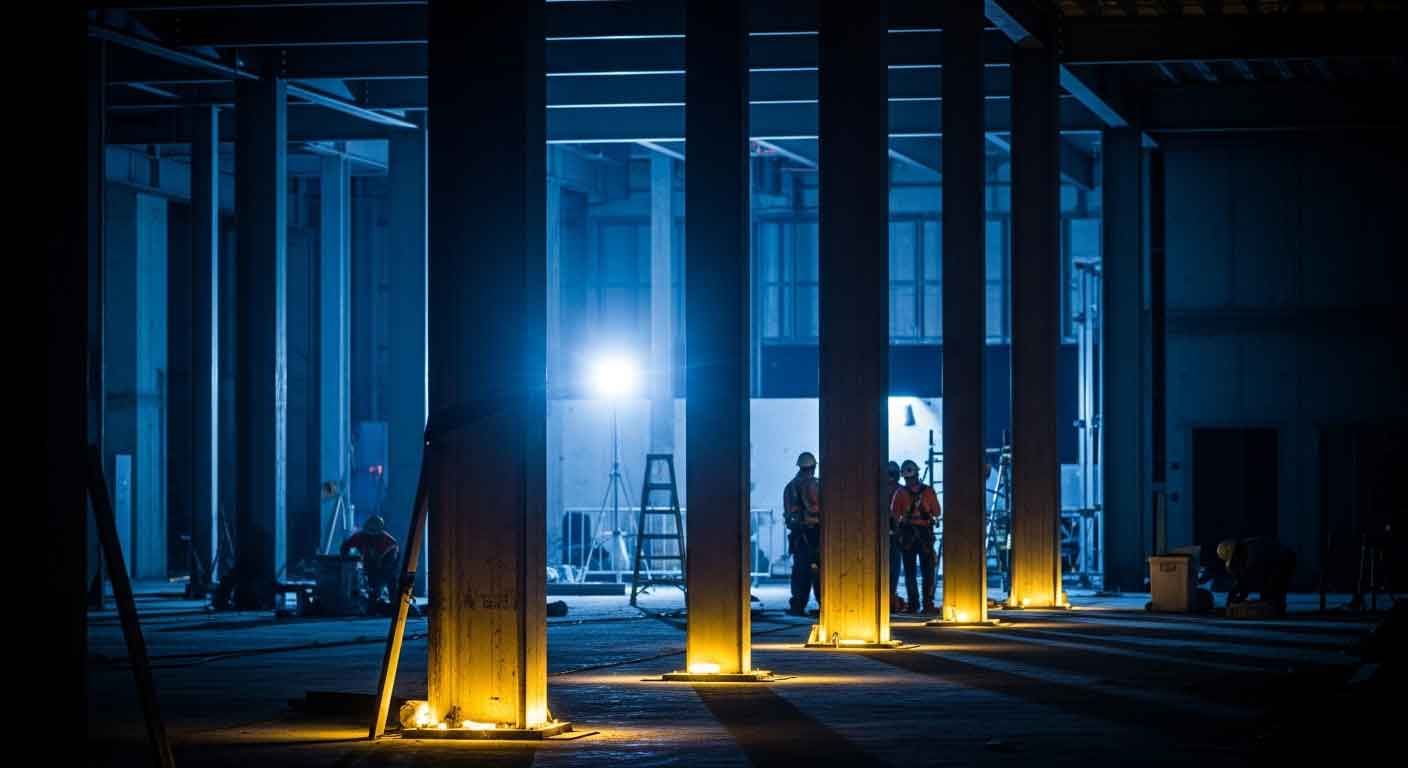
Working in an active shopping center is not the same as working in a vacant shell. It looks similar on paper. Same scope, same steel, same drawings. But the environment changes nearly every decision that matters: when you can work, how you move materials, what you can anchor and what you cannot, and how long any given operation will actually take.
We've done tenant build-out work in Houston-area malls and retail centers for a long time. What we've found is that the steel scope on an occupied project requires different planning from the start. It is not harder work in a technical sense, but it is more constrained work, and constraints cost time if they're not accounted for upfront.
The property management team controls the building. They determine when construction trades can operate, how materials enter the property, where they can be staged, and what noise and dust restrictions apply during mall hours. Those restrictions vary by property. Some allow construction during business hours with dust barriers in place. Others limit trades to evening windows or overnight shifts. Some allow limited daytime work in shell spaces set back from active tenant corridors.
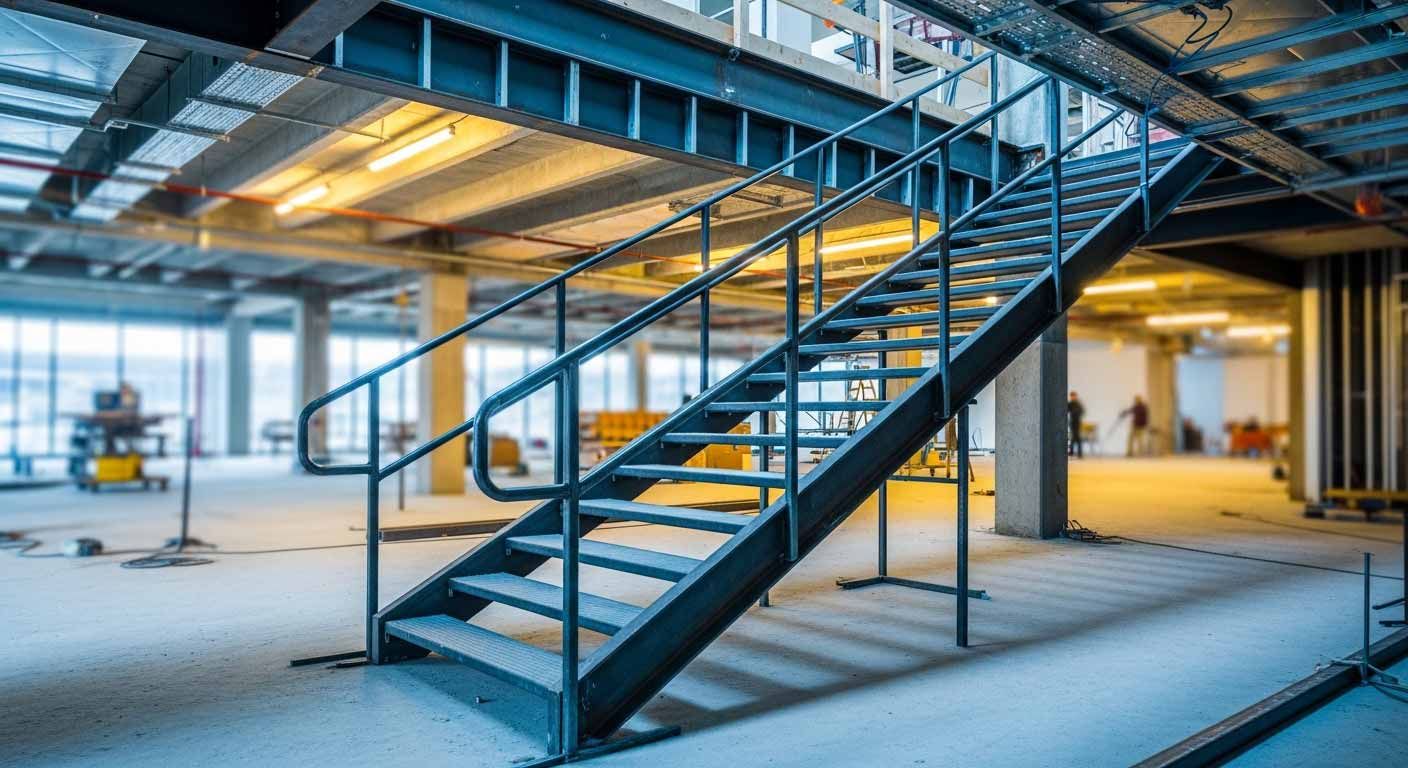
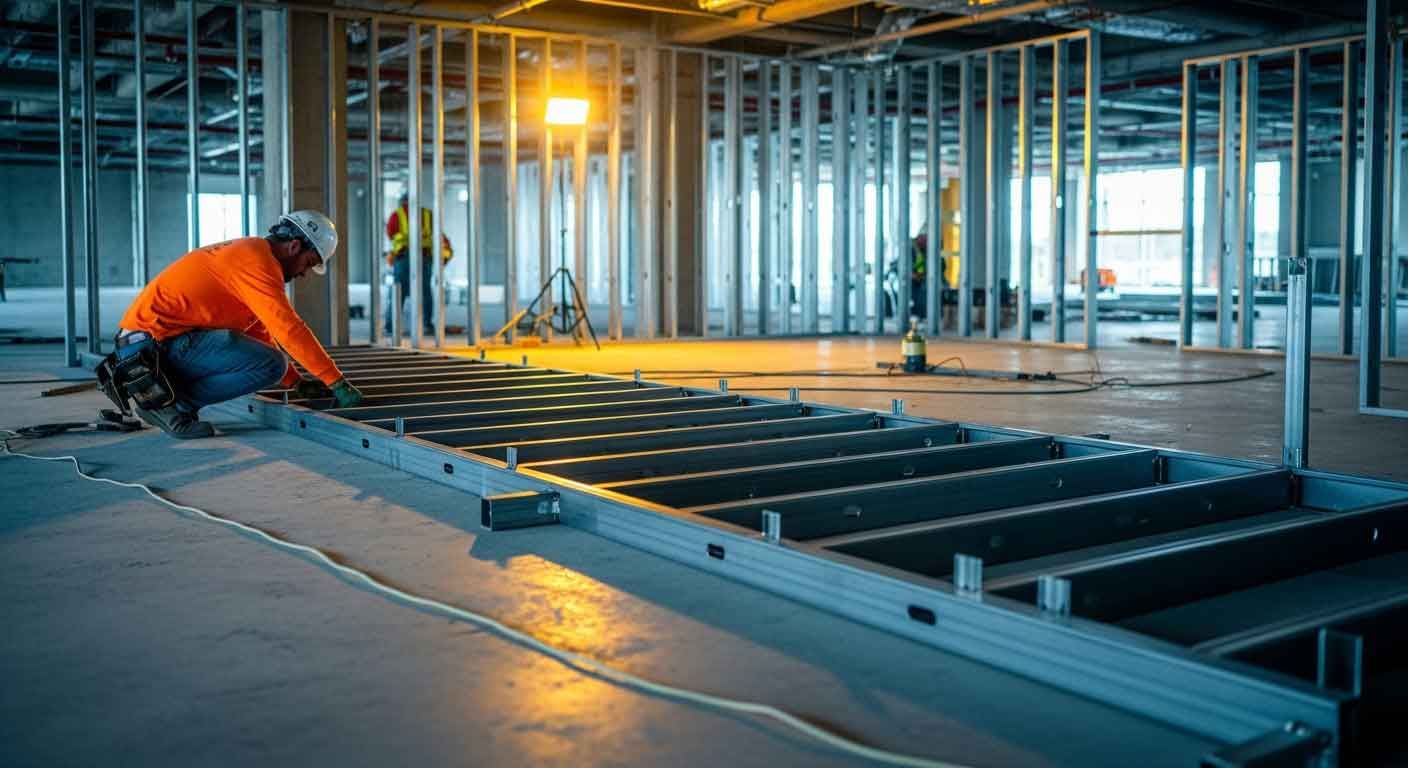
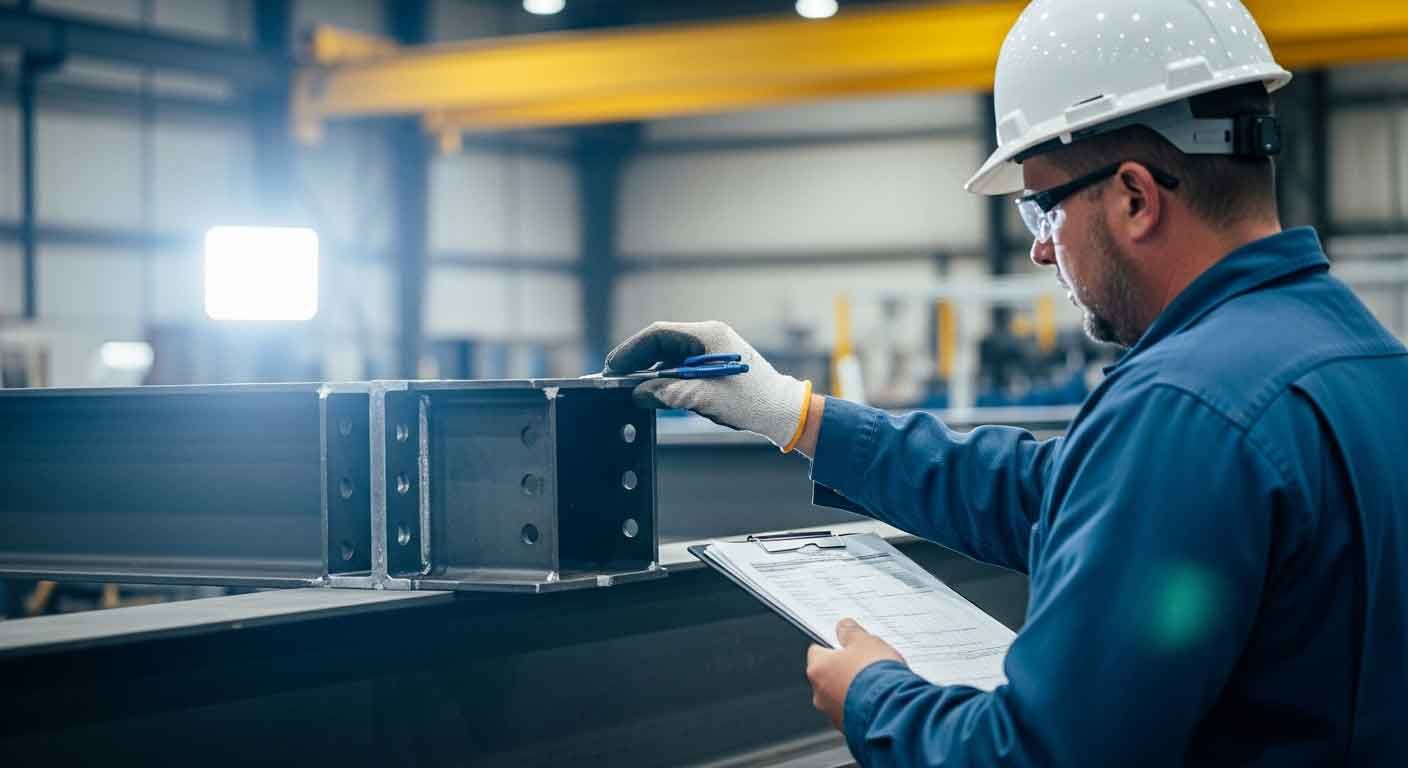
Structural steel fabrication in these environments has to fit inside whatever window the property allows. That changes your crew scheduling, your delivery windows, your equipment choices, and sometimes the order in which portions of the steel scope get erected. The full miscellaneous metals scope, which on a tenant build-out typically includes guardrails, handrails, and commercial steel stairs, carries its own occupied-space complications that have to be planned alongside the structural work.
Access, Noise, and Shutdowns: Coordinating with Property Management
Property management is a second client on occupied retail projects. They have their own requirements, their own approval process, and their own timeline running parallel to yours. We've seen steel scopes delayed because delivery windows weren't confirmed with the mall before mobilization, because grinding and drilling were scheduled during mall hours without prior approval, or because staging was set up in a corridor that property management later reclaimed for regular use.
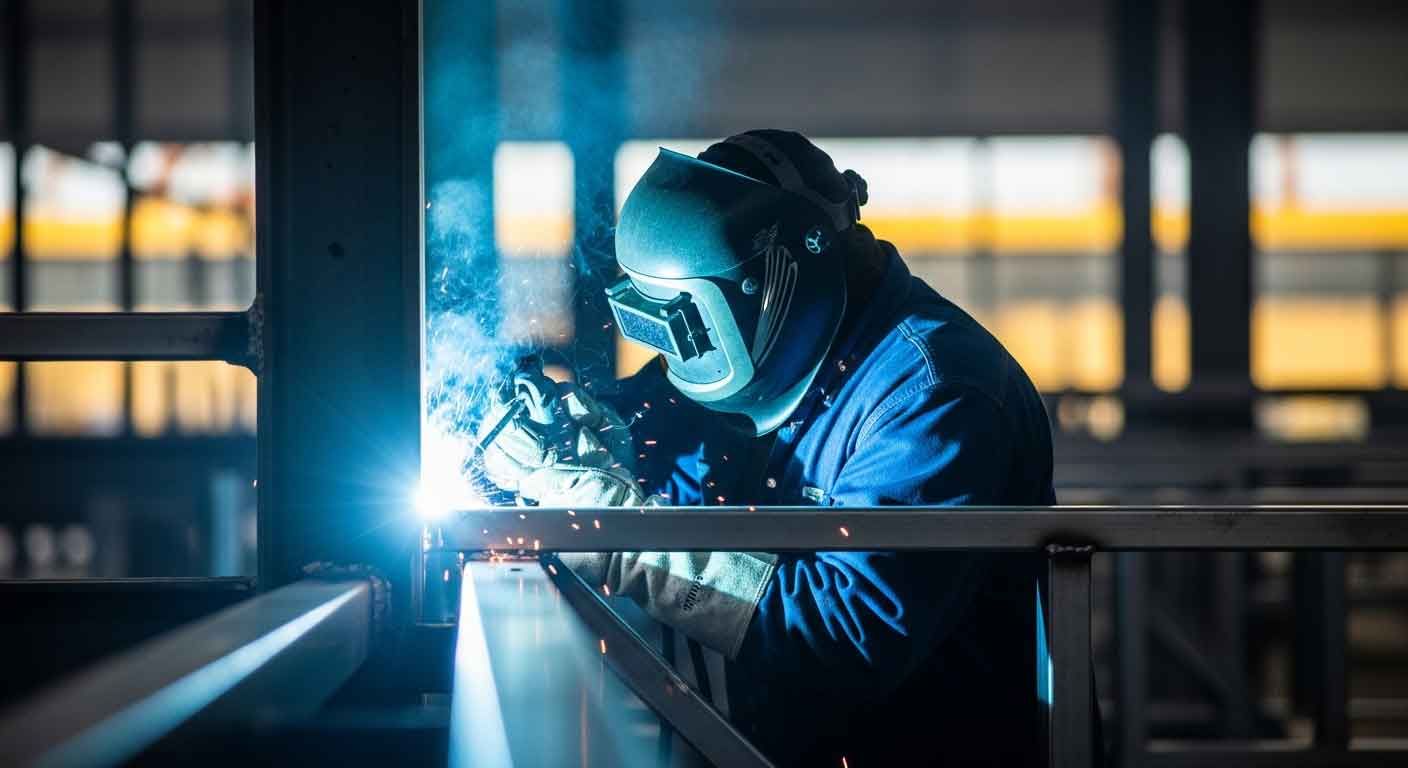
Noise is a real operational constraint. Impact tools, grinding, and structural welding generate noise that carries through an occupied building. Most properties have defined quiet windows during peak shopping hours. Scheduling around those windows often means breaking work into two or three daily sessions instead of one continuous shift, which adds setup and breakdown time to every day on site.
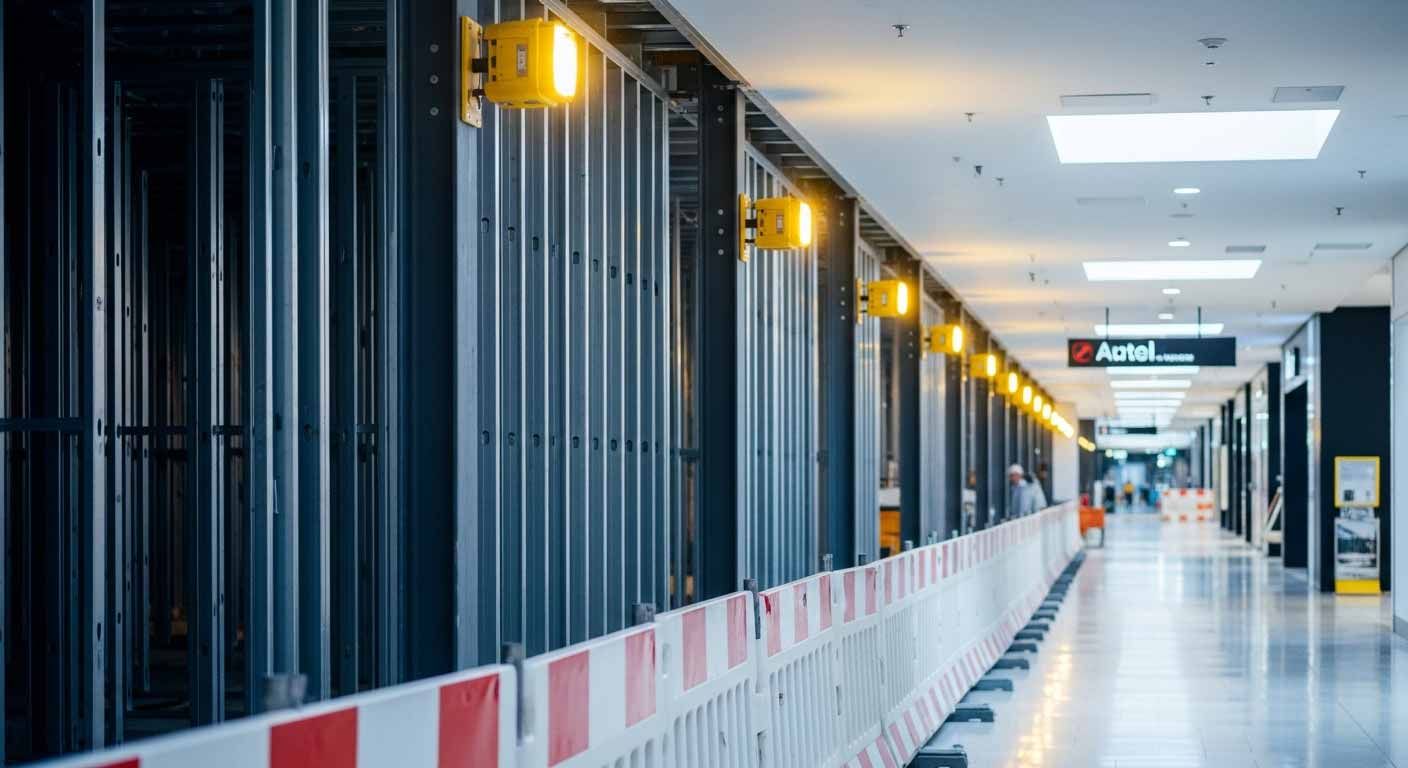
Installing metalwork near an active corridor means managing pedestrian exposure and controlling dust and debris during each session. It also means putting up and taking down temporary barriers at the start and end of every shift. That work doesn't show up in the original schedule if nobody planned for it.
The coordination point that gets missed most often is the utility shutdown. If any part of the steel scope requires a temporary power or water shutdown to a section of the building, that has to go through property management with advance notice. Walk-in shutdowns do not happen in occupied commercial buildings.
How Mall Logistics Shape Steel Erection Sequencing
On a standard tenant build-out in a vacant center, structural steel erection follows a predictable sequence. Drawings are approved, steel is fabricated, materials are delivered, and erection proceeds section by section. In an occupied mall, the sequencing has to account for how the property actually functions.
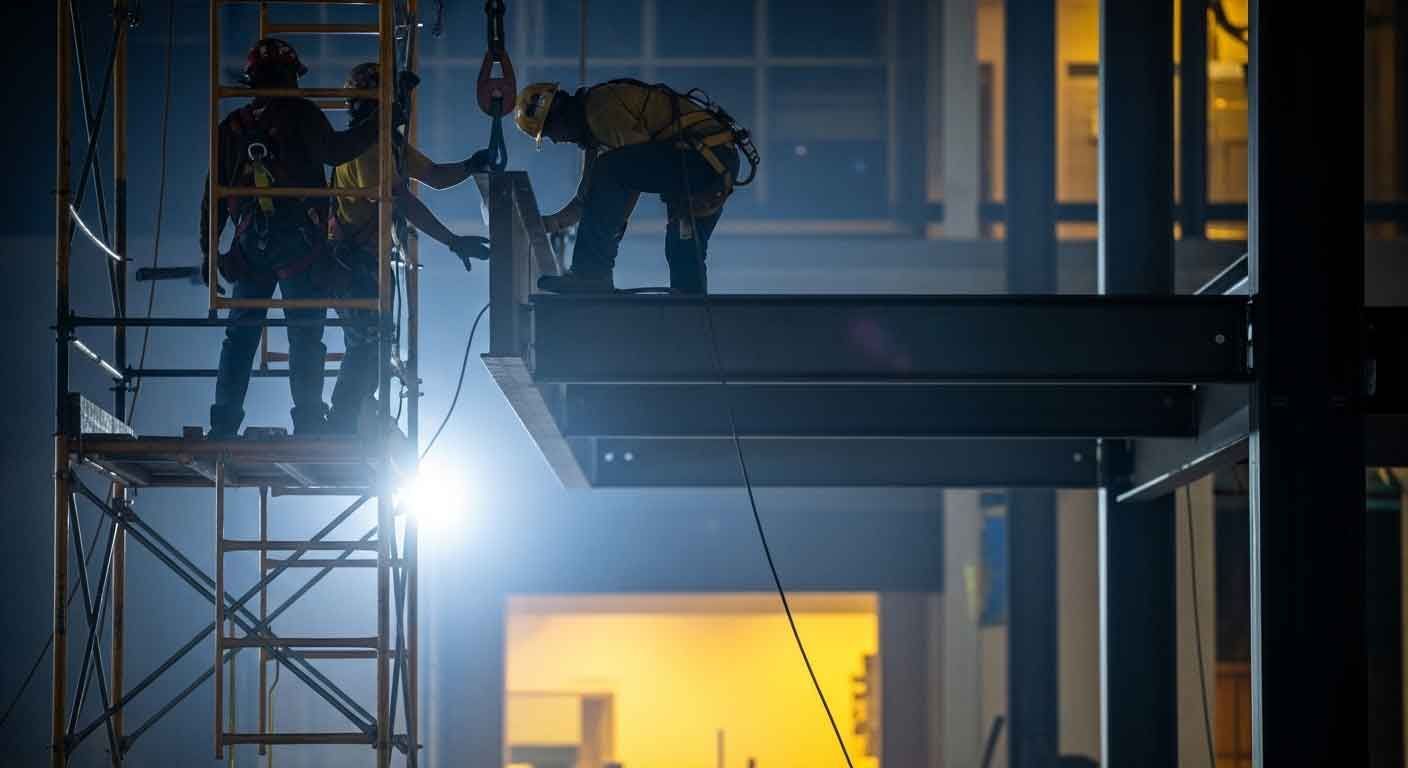
Service corridors, freight elevators, and loading docks are shared among active tenants, maintenance staff, and other contractors working in the building. A full steel package cannot sit staged in a service corridor for two weeks while erection proceeds. It arrives in planned deliveries, moves through restricted pathways, and gets used. What doesn't fit in the work area goes back on the truck or into approved temporary storage, if the property offers any.
Overhead work near active corridors sometimes requires temporary barricading that property management has to approve before the shift starts. The barrier goes up before work begins and comes down when the session ends. The corridor has to be restored before the mall opens or before traffic resumes in that section.
We have found that on occupied projects, smaller, more frequent deliveries work better than large staging deliveries. They take more coordination, but they keep the job moving inside the property's constraints.
What GCs Should Communicate to Their Steel Sub Upfront
The coordination challenges on occupied retail projects are manageable when both sides know what they're working within before the job starts. What we need to know early:
- Confirmed access hours from property management
- Delivery and loading dock scheduling requirements
- Noise and impact tool restrictions during mall hours
- Any planned shutdowns or phasing the mall is coordinating around
- Pedestrian protection requirements near the work area
- Whether after-hours or overnight shifts are required for any portion of the scope
This information should come from the GC before mobilization. The steel scope can be sequenced and crewed accordingly if the constraints are known upfront. When access windows surface mid-job, they create conflicts that ripple through the entire project schedule. That is not a good situation for any trade, and it is a particularly costly one when structural steel is involved, since steel is typically one of the first scopes in after utilities and concrete.
What We've Learned from Houston Mall Work
We've completed tenant build-outs in Houston-area shopping centers and retail corridors across a range of project sizes, from smaller inline spaces to larger anchor renovations. What we can tell a GC managing this type of work is that the steel scope is rarely where the problems originate. Problems tend to start when the occupied-space constraints get treated as details to sort out after mobilization.
If you're managing an occupied retail build-out in the Houston area and want to talk through the steel scope, reach out through our contact page or call (713) 988-4200. We're straightforward about what the scope requires and how to sequence it within whatever the property allows.